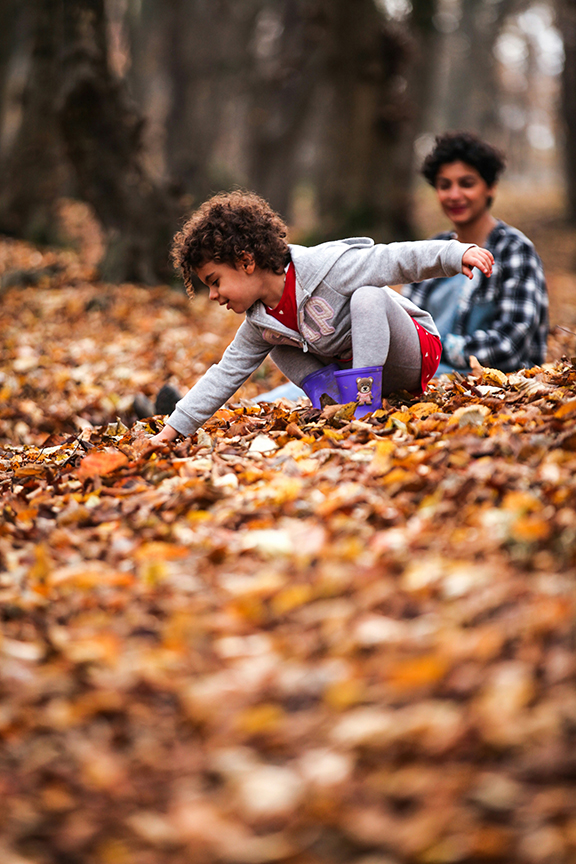
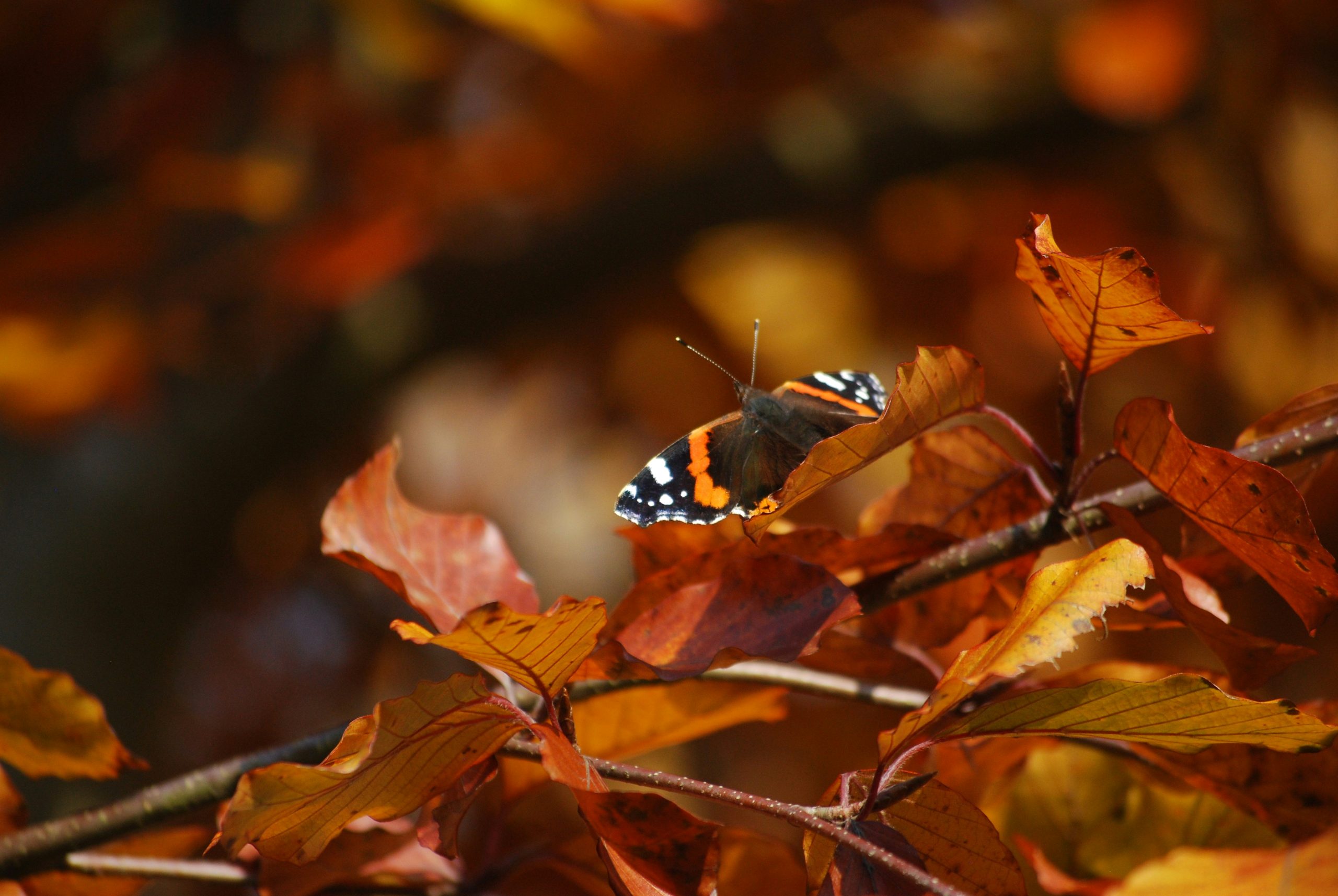
Two different fun ways to look for critters hiding in the leaves!
Now that you know that lots of different animals depend on fallen leaves for lots of different reasons, why not try an d spot some? You can start by looking for hidden insects in the seek and find drawing below. Once you have sharpened your skills, grab a magnifying glass and try to find some real critters outside! Good thing you left those fall leaves!
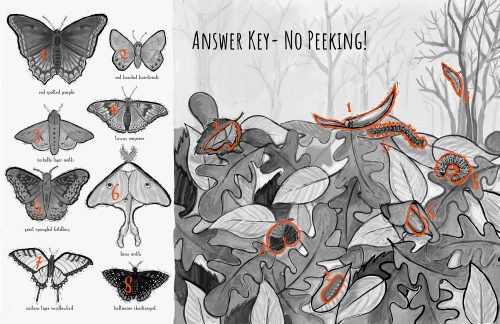
Leave the Leaves Seek and Find
First click on the drawing below. (It will open in a new window.) See if you can find all 8 of the hidden cocoons, chrysalis’, and caterpillars who are spending winter snug in the leaves. Remember, a moth makes a cocoon from fiber-y strands while a butterfly chrysalis has a hard case.
Next, test your butterfly and moth knowledge and see if you can match the cocoons/ chrysalis/ caterpillar to the butterfly or moth that it will become! When you click on the hidden critter you will reveal the answer! (There is also an answer key below, but no peeking!!)

Fallen Leaf Treasure Hunt
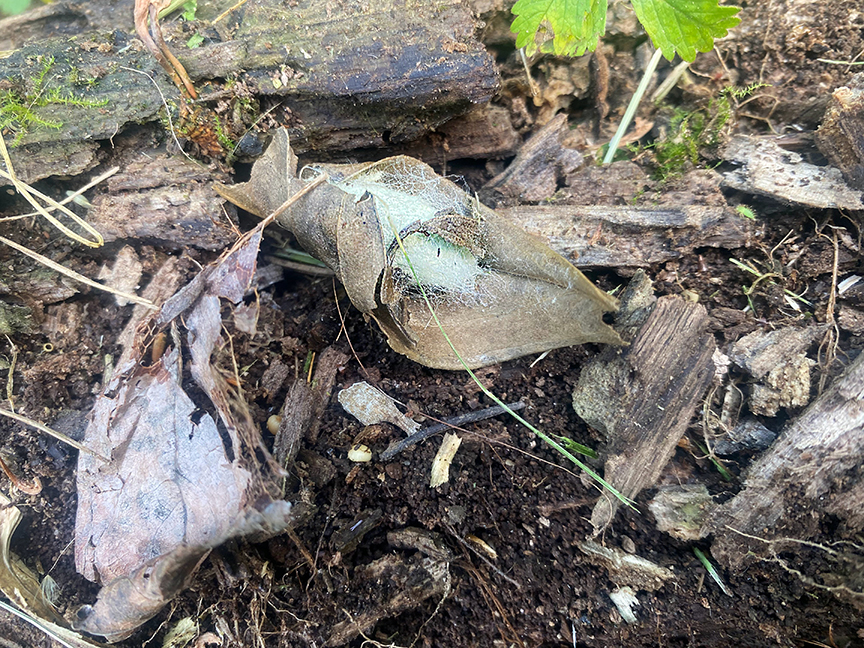
In between jumping in leaf piles, do a little exploring to see what signs of insects and animals you can find.!
Materials:
- fallen leaves
- magnifying glass (optional)
- nature journal
- writing/drawing materials
- field guide for your area (optional)
Instructions:
Get down on the ground and carefully observe the fallen leaves. An area that is relatively undisturbed (as opposed to a pile you have recently raked or jumped in) is likely to produce better results. You can poke around a bit, but try not to disturb any slumbering creatures. Use a magnifying glass if you have one to really examine the leaves. Remember, many cocoons and chrysalises mimic dead leaves so they can be difficult to see if you aren’t looking very carefully.
Record your findings in your nature journal by drawing pictures and writing (or dictating) descriptions. Try and learn more about your finds with a local field guide.